The blockchain sponsored event backdrop ballroom has become crypto’s equivalent of the hotel conference room , ubiquitous, expensive, and often completely wrong for the audience. After attending dozens of these events and watching millions flow into generic ballroom rentals, I’ve seen a pattern: the venues that actually move the industry forward look nothing like traditional corporate events.
The problem isn’t budget. Consensus 2023 drew 20,000+ attendees and 270+ sponsors. ETHDenver regularly fills convention centers. The problem is that blockchain events are fundamentally different from enterprise software launches or pharmaceutical conferences, yet we keep using the same tired venue playbook.
The Ballroom Problem: Why Traditional Venues Miss the Mark

Walk into any blockchain sponsored event backdrop ballroom and you’ll see the same setup: branded step-and-repeat banners, round tables for eight, and a stage that puts speakers 50 feet from the audience. This configuration works for award ceremonies. It fails spectacularly for technical demonstrations, live coding sessions, or the kind of spontaneous collaboration that drives blockchain innovation.
Networking Friction in Formal Settings
Traditional ballroom layouts create artificial barriers. The round table setup forces people into predetermined groups. The formal atmosphere discourages the kind of casual technical conversations where real partnerships form. I’ve watched developers struggle to show code on their laptops in dimly lit ballrooms designed for dinner presentations.
The most productive blockchain conversations happen around whiteboards, not cocktail tables. Yet ballroom venues rarely provide collaborative workspace. The result? Attendees migrate to hotel lobbies and coffee shops for actual work discussions.
Technical Infrastructure Limitations
Ballrooms are designed for speeches, not demonstrations. Power outlets are scarce. WiFi is shared across hundreds of devices. Display capabilities are limited to basic projection. When Vitalik Buterin wants to walk through an EIP implementation live, he needs multiple screens, reliable internet, and the ability to move freely around the space.
Most ballroom AV setups can’t handle simultaneous video streams, live blockchain interactions, or the kind of real-time data visualization that makes technical presentations compelling. The infrastructure mismatch forces speakers to dumb down their content or rely on static slides instead of live demonstrations.
Cost Inefficiency at Scale
Premium ballroom rentals in major cities run $50,000-$200,000 for multi-day events, not including catering minimums, AV packages, and service fees. For that budget, purpose-built spaces offer better networking flow, superior technical infrastructure, and more flexible configurations.
The hidden costs add up quickly: additional power drops, upgraded internet, custom lighting for video production, and specialized furniture for collaborative sessions. By the time you’ve modified a ballroom for blockchain content, you’ve spent more than purpose-built alternatives would cost.
Purpose-Built Spaces: What Actually Works
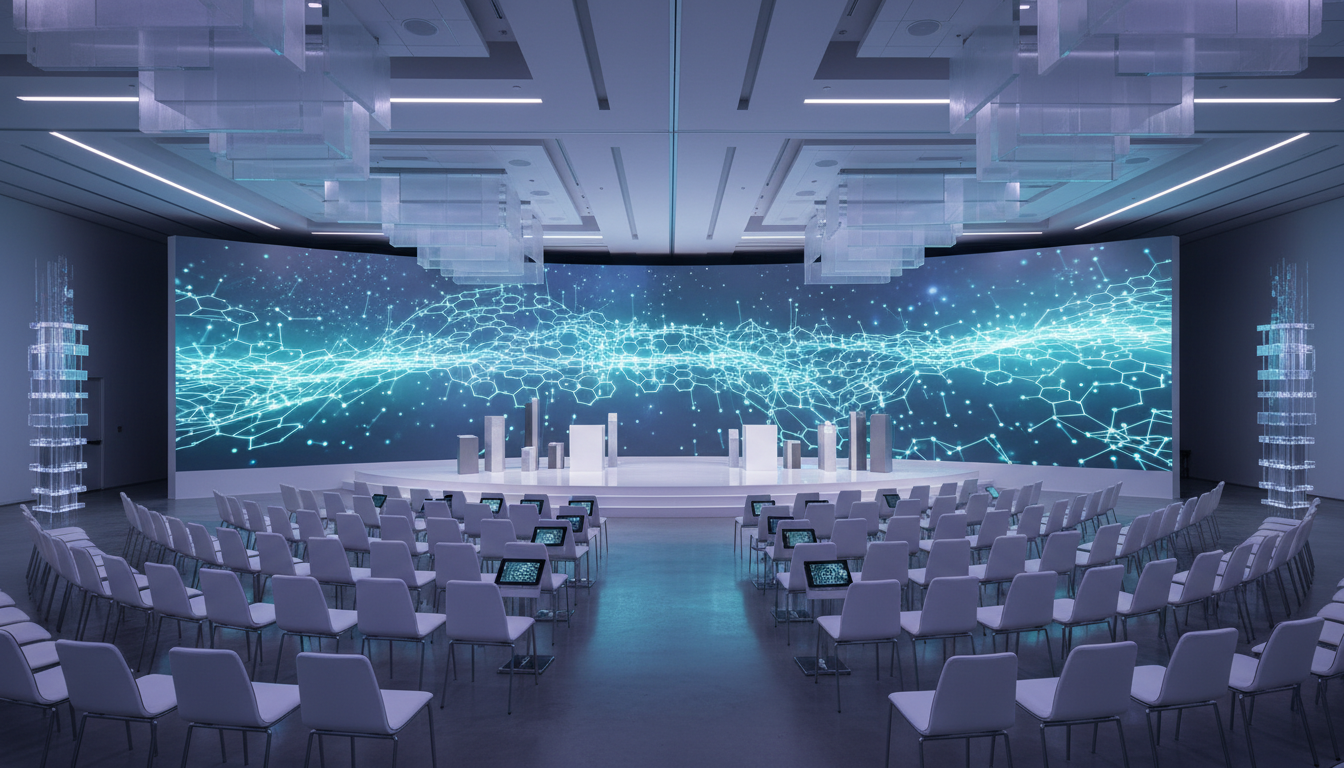
The most successful blockchain events happen in spaces designed for technical collaboration. University research centers, startup incubators, and purpose-built conference facilities understand the infrastructure requirements and social dynamics of developer-focused gatherings.
Technical Infrastructure Requirements
Effective blockchain event spaces need enterprise-grade internet with dedicated bandwidth per attendee. Multiple display options including large format screens for code walkthroughs. Abundant power distribution with USB-C and standard outlets at every seating position. Proper acoustic design that allows for both presentation and breakout discussions.
The best venues provide development environments pre-configured with common blockchain tools. Testnet access, node connectivity, and development frameworks ready to use. This eliminates the setup friction that kills momentum during technical workshops.
Flexible Space Configuration
Blockchain events need spaces that can rapidly reconfigure. Morning keynotes might require theater seating for 500. Afternoon workshops need small groups around tables with screens. Evening networking calls for open floor plans with standing height surfaces for laptop demonstrations.
Modular furniture, moveable walls, and multiple breakout areas allow events to adapt throughout the day. The most new blockchain discussions happen in small groups, not auditorium presentations. Venues that support this natural flow see higher attendee satisfaction and more meaningful connections.
Community-Centric Design
The blockchain community values transparency, accessibility, and collaborative decision-making. Event spaces should reflect these values through open layouts, shared resources, and democratic seating arrangements. Hierarchical setups with VIP sections and exclusive areas work against the decentralized ethos.
Successful venues create multiple interaction zones: quiet spaces for one-on-one technical discussions, collaborative areas for group problem-solving, and social spaces for informal networking. The goal is organic community formation, not forced networking activities.
Event Production: Beyond Generic Corporate Playbooks
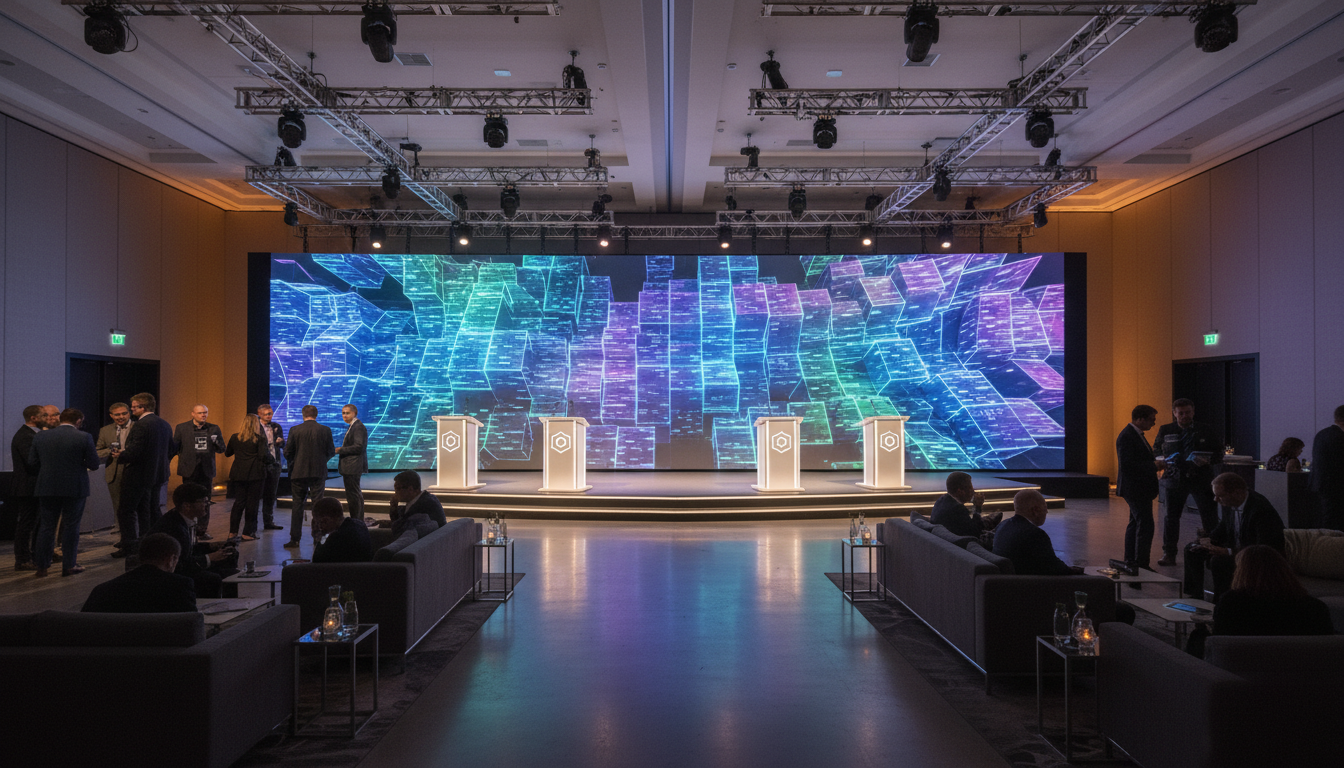
Blockchain events require different production approaches than traditional corporate gatherings. The audience expects technical depth, interactive demonstrations, and opportunities for hands-on learning. Generic event production companies often miss these requirements entirely.
Content Integration with Space Design
The best blockchain events integrate content directly with space design. Live coding sessions need multiple camera angles and screen sharing capabilities. Panel discussions benefit from conversational seating rather than formal podium setups. Workshop sessions require immediate access to development tools and collaborative platforms.
Production teams need to understand blockchain technology well enough to anticipate technical requirements. When a speaker wants to demonstrate a smart contract deployment, the production setup should support real-time blockchain interactions, not just slide presentations.
Audience Participation Architecture
Blockchain audiences are highly technical and expect to engage with content, not just consume it. Q&A sessions should support code sharing and technical diagrams. Polling systems need to handle complex technical questions with multiple-choice and open-ended responses.
The most engaging blockchain events use collaborative platforms where attendees can contribute code, share resources, and continue discussions beyond the formal program. This requires integrated technology platforms, not just basic event apps.
Documentation and Knowledge Sharing
Blockchain events generate valuable technical content that needs proper documentation. Session recordings, code repositories, and collaborative notes should be smoothly integrated into the event experience. Attendees expect access to presentation materials, demonstration code, and follow-up resources.
Production workflows should capture not just presentations but also whiteboard sessions, code walkthroughs, and informal technical discussions. The goal is creating lasting educational resources, not just ephemeral entertainment.
Sponsor Integration: Moving Beyond Logo Placement
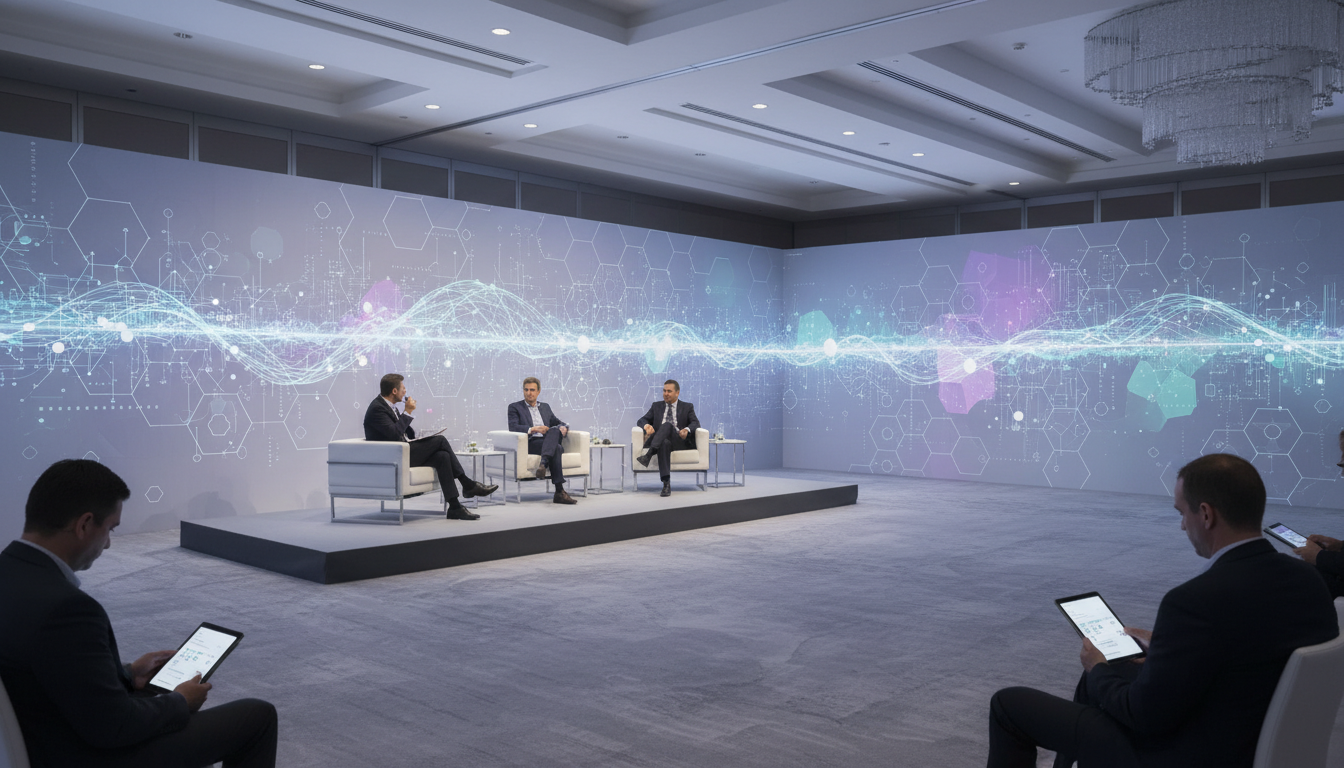
Traditional sponsor integration focuses on brand visibility through logos, banners, and speaking slots. Blockchain events need sponsor integration that adds genuine value to the technical community while providing meaningful engagement for sponsors.
Technical Demonstration Opportunities
The most effective blockchain sponsors provide technical demonstrations rather than marketing presentations. Developer tool companies can offer hands-on workshops. Infrastructure providers can showcase performance benchmarks. Protocol teams can demonstrate new features through live coding sessions.
Sponsor integration should enhance the educational value of events, not interrupt it with sales pitches. The blockchain community responds well to sponsors who contribute technical knowledge and useful tools.
Collaborative Workspace Sponsorship
Instead of static backdrop displays, sponsors can provide collaborative workspaces equipped with their tools and platforms. Developer lounges sponsored by infrastructure companies. Testing environments provided by security firms. Collaborative coding spaces equipped with development frameworks.
This approach gives sponsors meaningful interaction time with potential users while providing genuine value to attendees. The conversations that happen in these spaces are more valuable than traditional booth interactions.
Community Building Support
Blockchain sponsors can support community building through hackathons, bounty programs, and collaborative projects. These activities create lasting value beyond the event itself while demonstrating sponsor commitment to ecosystem development.
The most successful sponsor integrations become ongoing community resources. Code repositories, educational content, and collaborative platforms that continue providing value long after the event ends.
Regional Variations: Adapting to Local Blockchain Communities
Blockchain communities vary significantly across regions, and successful events adapt to local preferences, regulatory environments, and technical focuses. What works in Silicon Valley may not translate to Berlin, Singapore, or São Paulo.
Regulatory Environment Considerations
Events in different jurisdictions need to navigate varying regulatory spaces. European events often focus more heavily on compliance and privacy considerations. Asian events may emphasize different technical standards and partnership opportunities. US events need to consider SEC guidance and state-level regulations.
Venue selection should account for these regulatory considerations. Some locations offer better legal clarity for token-related discussions. Others provide more favorable environments for DeFi demonstrations or NFT showcases.
Technical Community Preferences
Different regions have distinct technical preferences and development cultures. European blockchain communities often emphasize sustainability and energy efficiency. Asian communities may focus more on gaming and entertainment applications. Latin American communities frequently prioritize financial inclusion and remittance solutions.
Event programming should reflect these regional priorities while maintaining global perspective. The most successful international blockchain events create space for regional technical discussions alongside broader industry themes.
Cultural Integration Strategies
Blockchain events need to respect local business cultures while maintaining the global, decentralized ethos of the community. This might mean different networking styles, meal preferences, or communication approaches.
Successful regional adaptation doesn’t mean compromising technical standards or community values. It means presenting universal blockchain principles through locally relevant examples and use cases.
Technology Integration: Smart Venues for Smart Contracts
The most forward-thinking blockchain events integrate blockchain technology directly into the venue experience. From NFT-based ticketing to DAO-governed programming decisions, technology integration can demonstrate blockchain utility while improving event operations.
Blockchain-Native Event Management
Some events use blockchain technology for ticketing, voting on session topics, and community governance. Attendees receive NFT tickets that provide ongoing community access. Session selection happens through token-weighted voting. Speaker selection involves community input through decentralized platforms.
This approach demonstrates blockchain utility while creating more democratic event experiences. Attendees become stakeholders in event success rather than passive consumers.
Real-Time Blockchain Integration
Advanced events integrate live blockchain data into presentations and discussions. Real-time DeFi metrics, network statistics, and protocol updates become part of the event experience. Speakers can reference current blockchain state, not just historical examples.
This requires sophisticated technical infrastructure but creates uniquely engaging experiences. When discussing network congestion, attendees can see current gas prices. When analyzing DeFi protocols, they can observe live liquidity data.
Collaborative Development Environments
Some venues provide shared development environments where attendees can collaborate on code during events. Shared repositories, testing networks, and collaborative coding platforms become part of the venue infrastructure.
These environments support hackathons, technical workshops, and spontaneous collaboration. Attendees can build together, not just talk about building. The results often become ongoing community projects.
Measuring Success: Beyond Attendance Numbers
Traditional event metrics focus on attendance, sponsor satisfaction, and basic engagement measures. Blockchain events need different success metrics that reflect community building, technical advancement, and ecosystem development.
Technical Collaboration Metrics
Successful blockchain events generate ongoing technical collaboration. Code repositories created during events. GitHub contributions from event attendees. Technical partnerships formed through event connections. Open source projects launched or advanced through event collaboration.
These metrics reflect the real value blockchain events provide: advancing the technology and strengthening the developer ecosystem. Pure networking events don’t move the industry forward. Technical collaboration does.
Community Growth Indicators
Blockchain events should strengthen the overall community, not just provide temporary networking opportunities. Post-event community engagement through Discord servers, Telegram groups, and collaborative platforms. Ongoing participation in ecosystem governance and development.
The best events create lasting community connections that continue generating value long after the formal program ends. Measuring this requires tracking long-term engagement, not just immediate feedback.
Ecosystem Development Impact
The most important blockchain events contribute to overall ecosystem development. Protocol improvements proposed or implemented. Security vulnerabilities identified and addressed. Interoperability solutions developed through cross-team collaboration.
These outcomes require months or years to fully materialize, but they represent the real impact of successful blockchain events. The goal isn’t just bringing people together , it’s advancing the technology and strengthening the ecosystem.
Future Directions: What’s Next for Blockchain Event Spaces
The blockchain event industry is evolving rapidly, driven by technological advancement, community growth, and changing expectations. Understanding these trends helps event organizers and venue operators prepare for the next generation of blockchain gatherings.
Hybrid Physical-Digital Integration
Future blockchain events will smoothly integrate physical and digital experiences. Virtual attendees won’t just watch livestreams , they’ll participate in collaborative coding sessions, contribute to technical discussions, and access shared development environments.
This requires sophisticated technical infrastructure and new event design approaches. The goal is creating unified experiences where physical and digital attendees collaborate as equals, not separate tiers of participation.
Decentralized Event Governance
Some blockchain events are experimenting with decentralized governance models. Community members hold governance tokens that provide voting rights on speakers, topics, and event policies. Revenue sharing through token distributions. Democratic decision-making for major event changes.
This approach aligns event governance with blockchain principles while creating stronger community ownership. Attendees become stakeholders in event success, not just customers purchasing access.
Sustainable Event Infrastructure
The blockchain community increasingly values environmental sustainability. Future events will emphasize carbon-neutral operations, renewable energy usage, and sustainable venue practices. Some events are exploring carbon offset mechanisms through blockchain-based environmental credits.
This trend reflects broader blockchain industry movement toward sustainable practices, particularly following Ethereum’s transition to proof-of-stake consensus. Event infrastructure should reflect the community’s environmental values.
The blockchain sponsored event backdrop ballroom represents everything wrong with how we approach blockchain gatherings , generic spaces, superficial networking, and missed opportunities for real technical collaboration. The future belongs to purpose-built spaces that understand our community’s unique needs.
Ready to build the next generation of blockchain event experiences? Apply to the Genesis Cohort at digitalblockchains.com and help us design infrastructure that actually serves the decentralized future we’re building.