Blockchain gaming is the integration of distributed ledger technology into video games, giving players verifiable ownership of in-game assets as NFTs and enabling real economic rewards through play. As of 2026, game-related cryptocurrencies carry a combined market cap of $4.25 billion.
Key Takeaways
- gaming grants players true ownership of in-game assets as NFTs, enabling secure peer-to-peer trading and provable scarcity.
- Play-to-earn mechanics reward users with cryptocurrency and tokens, turning gameplay into a potential income stream.
- The market was valued at $4.83 billion in 2022 and is projected to grow at a 68% compound annual rate through 2030, according to Chainalysis citing Allied Market Research.
- DAO governance and AI integration are emerging trends, giving communities decision-making power and enabling adaptive game worlds.
- Security vulnerabilities, regulatory uncertainty, and speculative economics remain the sector’s most pressing unsolved problems.
What Is Blockchain Gaming?
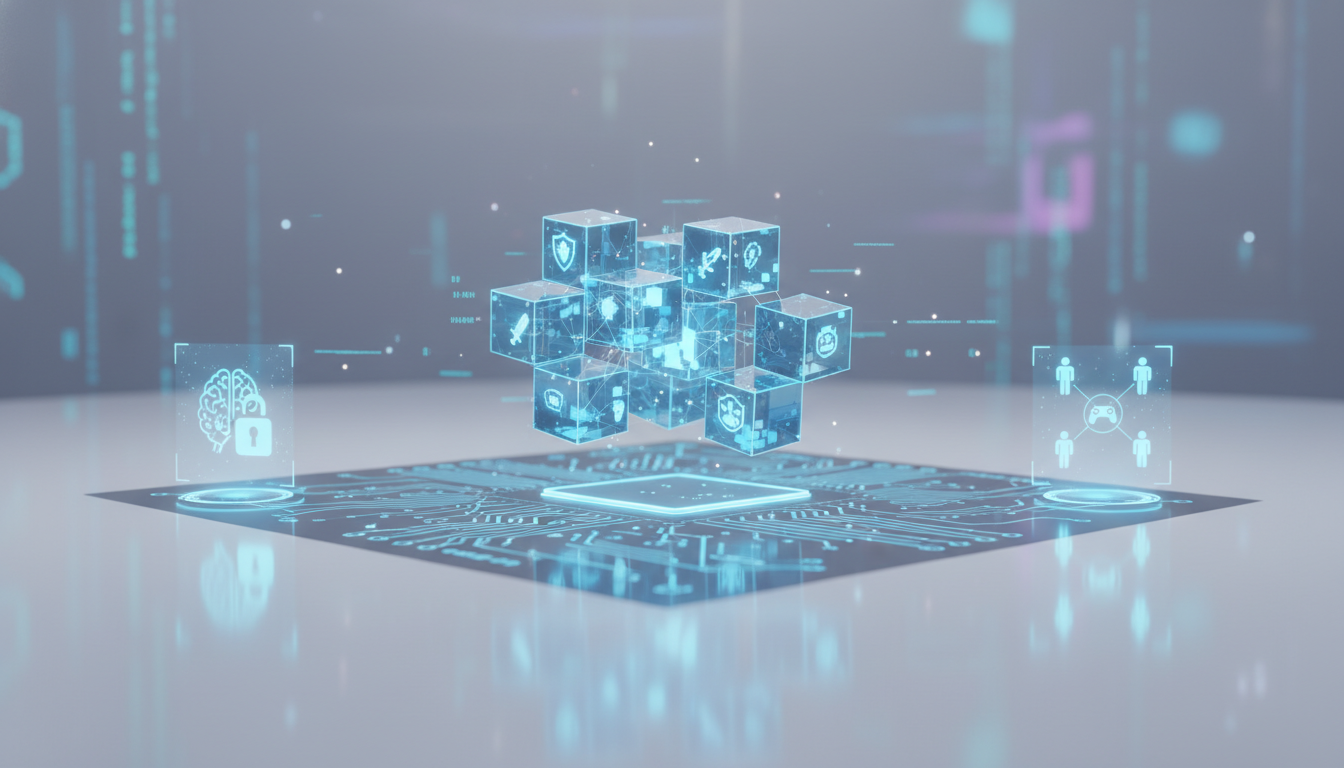
this type of gaming is the use of distributed ledger technology inside video games to give players cryptographically provable ownership of digital assets, programmable economies, and peer-to-peer trading without a central authority. It transforms in-game items from licensed content into tradeable property.
The Convergence of Crypto and Video Games
Traditional games store every sword, skin, and plot of land in a publisher-controlled database. The publisher can delete your account, shut down the servers, or change the rules overnight. this kind of gaming flips that model. Assets live on a public ledger, ownership records are immutable, and smart contracts execute transactions without asking anyone’s permission. Every item becomes a unique digital token that players genuinely control. That’s a structural shift, not a cosmetic one.
Core Technologies Powering Blockchain Games
Three pillars support the architecture: non-fungible tokens (NFTs), cryptocurrency wallets, and smart contracts. NFTs represent distinct items with provable rarity, minted according to standards like ERC-721 or ERC-1155 on Ethereum. Wallets such as MetaMask or Ronin Wallet store private keys and sign transactions. Smart contracts automate everything from loot drops to marketplace royalties, removing intermediaries entirely. Together, they form a trustless infrastructure that was structurally impossible before public blockchains existed.
The Evolution of Blockchain Gaming: From CryptoKitties to 2026
Early Pioneers and the NFT Boom
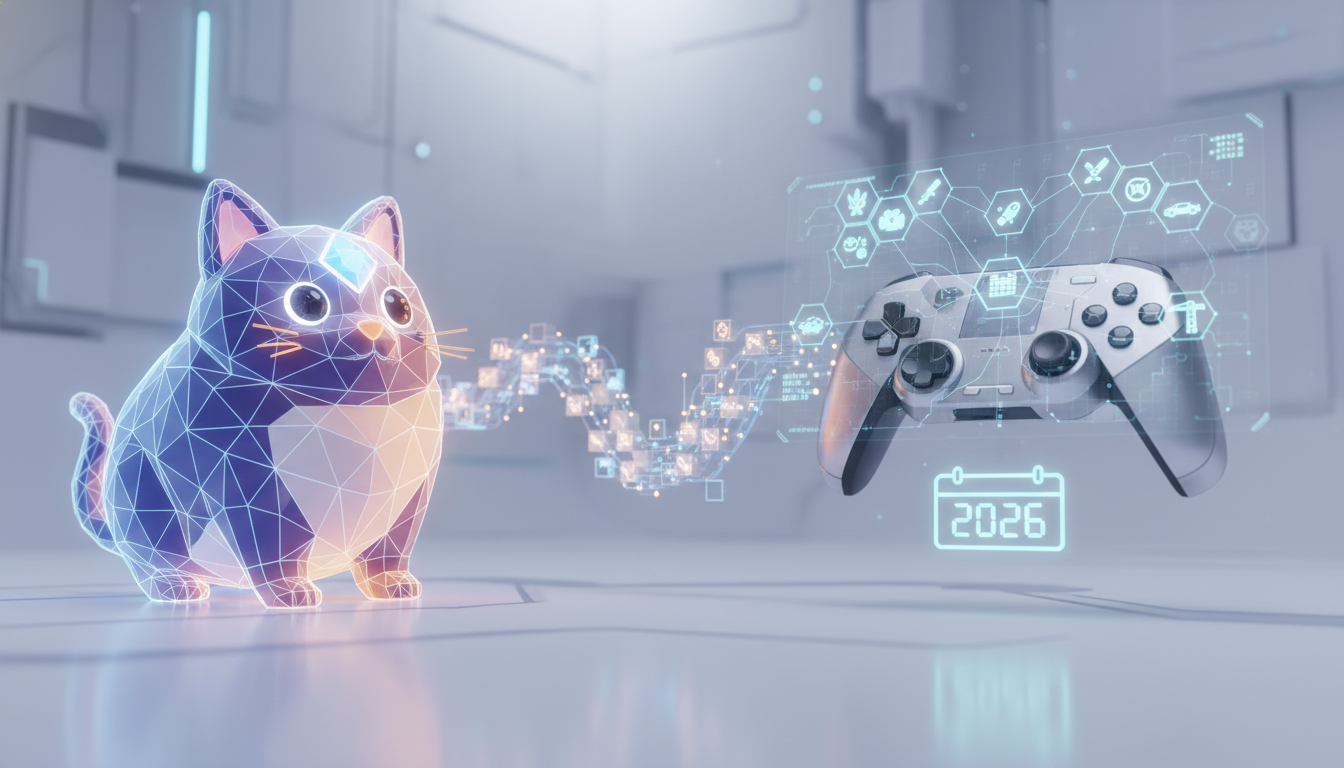
The story starts in November 2017 with CryptoKitties, a virtual pet breeding game on Ethereum. Players purchased, bred, and traded unique cats as NFTs, and at peak demand, a single cat sold for over $100,000. The frenzy exposed Ethereum’s scalability ceiling fast: CryptoKitties accounted for roughly 30% of all network transactions at its height, causing severe congestion across the entire chain. That single event made Layer-2 scaling solutions a priority for every serious developer in the space.
The Play-to-Earn Revolution and Axie Infinity
Axie Infinity, launched in 2018 by Sky Mavis, popularized the play-to-earn (P2E) model at scale. By battling, breeding, and trading Axie creatures, players, especially in the Philippines, earned enough to cover daily living expenses. Then came March 2022: a $620 million hack of the Ronin bridge shattered confidence overnight. Sky Mavis subsequently removed “play-to-earn” from its branding as token values collapsed, but the model had already ignited a global conversation about digital labor and economic sovereignty that hasn’t quieted since.
Market Growth and Mainstream Adoption
Despite the setbacks, the sector keeps expanding. The blockchain market was valued at $4.83 billion in 2022 and is forecasted to grow at a 68% compound annual rate through 2030, per Chainalysis. Titles like MapleStory Universe generated $31 million in revenue in its first year, while FIFA Rivals surpassed 2.5 million downloads, confirming that mainstream IP holders are no longer watching from the sidelines. FinalBlade built a waitlist of 300,000 users ahead of its global launch, a signal that player appetite for gaming titles is real and growing.
Key Features That Define Blockchain Games
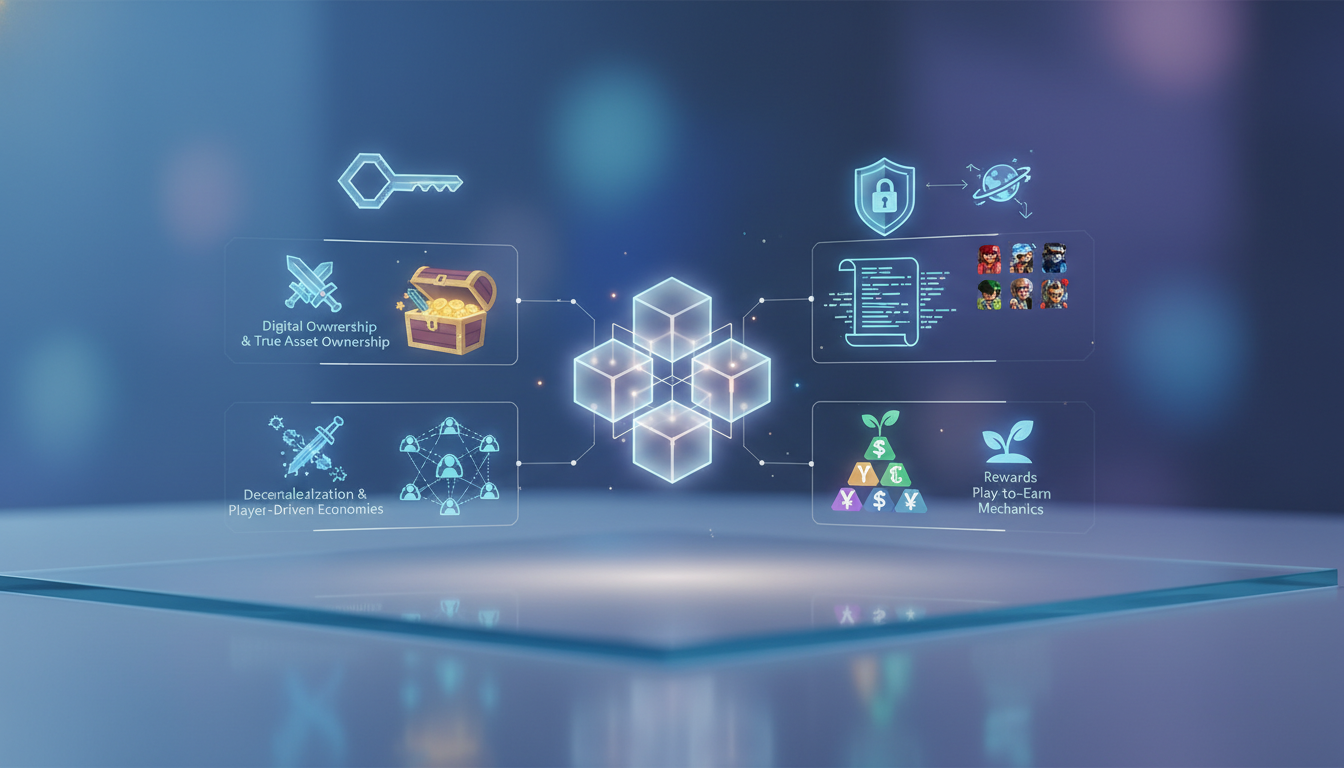
| Feature | Traditional Games | Blockchain Games |
|---|---|---|
| Asset Ownership | Items are licensed to the player; the publisher retains control. | Players own assets as NFTs on a public ledger and can sell or transfer them freely. |
| Economic Model | Value flows one-way (player to publisher) via in-app purchases. | Two-sided marketplace: players earn tokens or NFTs and trade peer-to-peer. |
| Interoperability | Assets are siloed within a single game or ecosystem. | NFTs may be usable across multiple games and platforms, enabling cross-game economies. |
| Governance | Developers unilaterally update rules and economies. | DAOs allow token-holders to vote on changes, creating community-driven development. |
| Transparency | Drop rates, supply, and transactions are opaque server-side data. | All transactions and item provenance are publicly verifiable on-chain. |
True Digital Ownership via NFTs
An NFT is a unique digital token that proves ownership of a specific in-game item. Because the record lives on a blockchain, no third party can alter or erase it. Even if a game shuts down, the player retains the NFT and can sell it on an external marketplace. This has given rise to vibrant secondary markets where rare items fetch thousands of dollars, mirroring the real-world collectibles economy in structure if not always in stability.
Play-to-Earn Mechanics and Tokenized Rewards
Play-to-earn is a model where gameplay directly yields financial rewards, typically native tokens or NFTs. Defeating a boss might drop a tradable weapon; daily quests might grant governance tokens. Those assets can then be swapped for stablecoins or fiat on decentralized exchanges. The Sandbox uses its SAND token for land purchases and staking, while Decentraland lets players monetize virtual real estate. This fusion of entertainment and finance has coined the term GameFi, describing the overlap between this type of gaming and decentralized finance.
Interoperability Across Gaming Ecosystems
Interoperability is the ability of an NFT to move from one game to another without losing its properties. A helmet earned in a fantasy RPG could, in theory, be worn by an avatar in a sci-fi shooter, provided both titles support the same token standard. Projects like Enjin’s Efinity and cross-chain bridges are laying the groundwork. The vision: a single inventory that spans an entire metaverse, amplifying the utility and value of every digital asset a player accumulates.
Blockchain Platforms Built for Game Development

Not all blockchains are equal when it comes to supporting this kind of gaming infrastructure. The choice of chain directly affects transaction speed, gas costs, and developer tooling.
Ethereum and Layer-2 Solutions
Ethereum remains the most battle-tested platform for NFT standards (ERC-721, ERC-1155) and smart contract composability. Its main drawback is cost: gas fees during peak periods make microtransactions uneconomical. Layer-2 networks like Immutable X and Polygon solve this by processing transactions off-chain and settling on Ethereum, enabling gas-free NFT minting and near-instant confirmations. Immutable X, purpose-built for blockchain gaming, has processed millions of NFT trades without a single gas fee charged to players.
Solana: Speed at Scale
Solana processes thousands of transactions per second at sub-cent fees, making it attractive for high-frequency in-game economies. Its Proof-of-History consensus mechanism gives it a performance edge over Ethereum mainnet. The tradeoff is a smaller developer ecosystem and a history of network outages that have raised reliability concerns for live game deployments.
Ronin and App-Specific Chains
Sky Mavis built Ronin as an Ethereum sidechain specifically for Axie Infinity, reducing gas costs to near zero for players. After the 2022 bridge hack, the team overhauled Ronin’s validator set, adding institutional validators including Square Enix. As of 2026, Ronin hosts dozens of games beyond Axie, functioning as a dedicated blockchain gaming ecosystem rather than a single-game chain.
How In-Game Economies Are Being Transformed
Player-Owned Liquidity and Deflationary Mechanics
Blockchain gaming introduces DeFi primitives directly into virtual worlds. Games issue tokens with capped supplies, implement staking mechanisms, or automatically burn a portion of transaction fees to reduce circulating supply. Pixels recently shifted to a USDC reward model to reduce selling pressure on its native PIXEL token, a deliberate tokenomics decision that stabilized its in-game economy. These mechanics allow developers to engineer self-regulating systems where player behavior, including trading, crafting, and battling, directly influences supply and demand.
Real-World Value Extraction
In countries with depressed currencies, blockchain gaming has become a legitimate income source. Axie Infinity once supported entire communities in the Philippines, with some players earning above the local minimum wage through daily gameplay. This extraction of value blurs the line between work and play, raising real questions about labor classification and digital sovereignty. The ability to convert in-game effort into purchasing power remains one of the technology’s most compelling and most debated features.
DAO Treasuries and Revenue Sharing
A growing number of games direct a portion of revenue to a community-controlled treasury. Token-holders propose and vote on how funds are deployed, whether for tournaments, marketing, or development grants. Axie Infinity’s Community Treasury and Aavegotchi’s DAO are early examples of this model in practice. It aligns incentives between developers and players, turning a game into a collectively owned enterprise rather than a product sold to a passive audience.
The Rise of DAOs: Community Governance in Gaming
What Is a Gaming DAO?
A DAO, or decentralized autonomous organization, is a community governed by smart contracts and token-based voting. In blockchain gaming, a DAO allows players to decide on everything from balance patches to treasury allocations. This is a structural departure from top-down publisher control, and it’s already been embraced by projects like Pixelcraft Studios, which proposed handing full control of the Aavegotchi ecosystem to its DAO.
Examples of Player-Led Development
Decentraland’s DAO has allocated over $1 million in MANA tokens for community-built scenes and events. In MapleStory Universe, the $10 million NXPC token buyback program was approved through governance voting, not executive decision. These mechanisms ensure that the most active and invested players have a direct say in the game’s future, which tends to produce stronger long-term engagement than any loyalty program a publisher could design.
Challenges of Decentralized Governance
DAOs face real structural problems: low voter turnout, plutocratic tendencies where large holders dominate outcomes, and coordination inefficiencies that slow decision-making. Balancing speed with inclusivity is a critical design challenge that no project has fully solved. That said, industry data suggests that blockchain gaming titles with active DAOs achieve day-one retention rates in the 35-45% range, meaningfully higher than purely centralized Web3 titles, according to sector benchmarks tracked by Blockchain Game Info.
AI and Machine Learning in Blockchain Games
Intelligent NPCs and Dynamic Storytelling
Artificial intelligence is being woven into blockchain gaming to create autonomous non-player characters that remember player interactions and adapt behavior over time. Animoca Brands’ Minds platform invests in AI companions that act as guides, merchants, or adversaries while managing their own on-chain inventories. This fusion of AI and NFTs opens the door to genuinely emergent gameplay where the world evolves between sessions without developer intervention.
Automated Reward Systems and Anti-Bot Detection
In play-to-earn environments, bots can exploit reward mechanisms at scale, draining token supplies and destroying economic balance. AI-powered analytics identify and ban automated accounts before they cause systemic damage. Pixels has launched an AI reward infrastructure called Stacked that dynamically adjusts quest rewards based on real-time economic conditions. Expect this pattern to become standard across the blockchain gaming industry within the next 12-18 months.
Personalized Player Journeys
Machine learning models analyze on-chain behavior to tailor experiences: recommending quests, items, or entire game modes based on a player’s history. This personalization increases retention and helps players find value in increasingly complex virtual economies. As on-chain datasets grow, AI will become essential infrastructure for any blockchain gaming project serious about long-term engagement.
Pros and Cons of Blockchain Gaming
Pros
- True asset ownership: Players hold NFTs in self-custodied wallets, not on a publisher’s server that can be shut down.
- Real economic upside: Skilled players can earn tokens with genuine market value, creating income opportunities unavailable in traditional games.
- Transparent economies: On-chain data makes drop rates, supply caps, and transaction histories publicly auditable, eliminating the black-box loot box problem.
- Community governance: DAOs give players a direct vote on game development, aligning incentives between builders and their most invested users.
- Interoperability potential: NFT standards like ERC-1155 lay the groundwork for assets that move across games and platforms.
Cons
- Security risk: Bridge hacks and smart contract exploits have cost the sector hundreds of millions of dollars. The Ronin hack alone exceeded $620 million.
- Speculative economics: Many P2E games have resembled Ponzi structures, rewarding early entrants at the expense of later players when token prices collapse.
- Regulatory uncertainty: Token classification as securities or commodities remains unresolved in most jurisdictions, chilling institutional participation.
- User experience friction: Wallet setup, gas fees, and seed phrase management create onboarding barriers that traditional games don’t have.
- Gamer skepticism: Platforms like Steam still ban blockchain titles, and a significant portion of the traditional gaming community associates the technology with scams.
Challenges and Criticisms of Blockchain Gaming
Security Vulnerabilities and Hacks
The same technology that enables trustless ownership also presents a high-value target. The Axie Infinity Ronin bridge hack resulted in over $620 million stolen, one of the largest thefts in crypto history. Bridge exploits, smart contract bugs, and wallet phishing remain pervasive threats across the blockchain gaming sector. Developers are responding with formal verification, bug bounty programs, and on-chain insurance funds, but the risk premium is still priced into player trust and institutional appetite.
“The Ronin bridge attack was a watershed moment. It proved that cross-chain infrastructure is only as secure as its weakest validator set. The industry’s response, adding institutional validators like Square Enix and implementing multi-sig thresholds, represents the right direction, but security debt in blockchain gaming remains substantial.” – Blockchain security analysis, post-Ronin incident review
Environmental and Regulatory Concerns
Early blockchain gaming faced legitimate backlash for its carbon footprint, particularly on proof-of-work chains. Ethereum’s September 2022 transition to proof-of-stake reduced the network’s energy consumption by approximately 99%, largely resolving the environmental criticism for Ethereum-based games. On the regulatory front, uncertain classification of game tokens as securities or commodities continues to slow institutional investment. The European Union’s MiCA framework and evolving U.S. guidelines are being closely watched by every legal team in the space.
Player Skepticism and Speculative Bubbles
Many traditional gamers equate blockchain with scams and pay-to-win mechanics. Some P2E games did resemble pyramid structures, rewarding early adopters at the expense of late entrants when token prices collapsed. The community remains divided, and platforms like Steam still ban blockchain titles outright. Lasting adoption requires a shift toward fun-first design, where blockchain enhances gameplay rather than replacing it as the primary value proposition.
“The games that will survive the next cycle are the ones where you’d still play even if the tokens were worth zero. Blockchain should be infrastructure, not the pitch.” – Common framing among veteran Web3 game designers and investors evaluating sustainable blockchain gaming projects
Top Blockchain Gaming Projects and Platforms in 2026
Axie Infinity: The Pioneer That Refuses to Die
Despite the $620 million hack and token price collapse, Axie Infinity has undergone a significant overhaul. The new Axie Core update introduces land gameplay, evolving creature mechanics, and a revamped economy designed to avoid the inflationary death spiral of the original model. Sky Mavis continues to invest in the Ronin sidechain, which now hosts dozens of games. As of early 2026, the AXS token holds a market cap of over $600 million, a figure that demonstrates meaningful resilience for a project many wrote off in 2022.
MapleStory Universe: Legacy IP Meets Web3
Nexpace’s MapleStory N, built on the Henesys blockchain, is a standout case study in blockchain gaming done right. In its first year, the game generated $31 million in revenue. Its marketplace saw $116,776 in NFT trading volume within the first 48 hours of launch. The $10 million NXPC buyback program signals a team committed to token value stability rather than extraction. By integrating blockchain into an already beloved MMORPG with an established player base, MapleStory N offers a replicable template for legacy IP conversions.
The Sandbox and Decentraland: Metaverse Heavyweights
The Sandbox expanded to mobile in early 2026 with a battle-royale mode, while Decentraland hosts annual music festivals drawing thousands of attendees. Both platforms rely on user-generated content, allowing creators to monetize experiences and assets directly. Their respective tokens, SAND and MANA, remain among the top game-related cryptocurrencies by market capitalization, giving both projects a liquidity base that newer entrants lack.
Getting Started with Blockchain Gaming
Step 1: Choose a Wallet and Fund It
To interact with any blockchain gaming platform, you need a non-custodial wallet like MetaMask or Ronin Wallet. These browser extensions or mobile apps store your private keys and sign transactions on your behalf. Purchase a small amount of the required network token, such as ETH or MATIC, to cover gas fees, then transfer it to your wallet. Never share your seed phrase with anyone, including support staff from any game.
Step 2: Select a Game and Connect
Browse game directories like PlayToEarn.com or the Blockchain Game Info rankings to find a title that matches your interests and risk tolerance. Click “Connect Wallet” on the game’s official website and approve the connection request in your wallet. Always verify you’re on the correct domain before approving any transaction. Phishing sites mimicking popular blockchain gaming platforms are a persistent threat.
Step 3: Start Playing and Earning
Once connected, you can begin exploring. Free-to-play blockchain gaming titles often grant starter NFTs through tutorials. Play-to-earn models may require purchasing or renting in-game assets first, for example, buying three Axies to begin battling. As you accumulate items, list them on the game’s marketplace for other players to buy. Track your token earnings against current market prices before making any significant investment of time or capital.
If you’re building a blockchain gaming project rather than just playing one, the architecture decisions you make at the protocol level will define your game’s economic sustainability. Our team at Digital Blockchains works with founders on tokenomics design, smart contract architecture, and DAO governance structures. Apply to the Genesis Cohort to build with us.
For deeper context on the smart contract infrastructure that powers these economies, read our breakdown of smart contract development and token launch architecture on the Digital Blockchains blog.
Frequently Asked Questions
What is the difference between crypto gaming and blockchain gaming?
Both terms are often used interchangeably, but crypto gaming typically emphasizes the currency and speculation aspect, while blockchain gaming encompasses the full decentralized infrastructure: NFTs, smart contracts, DAOs, and on-chain economies. In practice, they describe the same ecosystem of games running on distributed ledgers, though blockchain gaming is the more technically precise term.
Can you really earn a living playing blockchain games?
It’s possible but not reliable. During Axie Infinity’s peak, many Filipino players earned above the local minimum wage through daily gameplay. Earnings depend entirely on token prices and game economies, both of which can be highly volatile. Treat blockchain gaming income as a variable side stream, not a salary replacement.
Are blockchain games safe for kids?
Parents should exercise real caution. Most blockchain gaming platforms involve real-money transactions, unmoderated marketplaces, and smart contract risks that require adult judgment. If allowing children to play, use wallets with parental controls, set strict spending limits, and educate them on phishing and seed phrase security before they touch anything on-chain.
Do I need to understand crypto to play blockchain games?
Not necessarily. Modern blockchain gaming platforms are building interfaces that abstract away most of the complexity. You’ll likely still need a wallet and some understanding of gas fees, but many platforms now offer custodial options or Layer-2 solutions that reduce friction significantly. The onboarding gap is narrowing every year.
Why are some gamers opposed to blockchain in games?
Critics argue that blockchain gaming often prioritizes speculation over actual gameplay, producing pay-to-win mechanics and financial risk that traditional games don’t carry. Past scams, collapsed token economies, and the association with volatile crypto markets have damaged the technology’s reputation with mainstream players. Proponents believe that when implemented with gameplay-first design, blockchain genuinely enhances player agency and community ownership in ways no traditional publisher can match.
What are the best blockchain games to play in 2026?
Top picks include Axie Infinity: Origins for its revamped P2E mechanics, MapleStory N for MMORPG fans, The Sandbox for creative builders, and FIFA Rivals for sports game enthusiasts who want blockchain gaming exposure with a familiar IP. Always research a game’s tokenomics, team track record, and community activity before committing time or capital.