Key Takeaways
- A blockchain app is a decentralized application built on a distributed ledger, ensuring transparency, security, and censorship resistance.
- Leading options like Blockchain.com and Crypto.com Onchain Wallet offer crypto trading, staking, and DeFi access to millions of users.
- Self-custody remains the gold standard for security. Top wallets have never lost user funds due to a platform breach.
- The ecosystem now supports over 5,700 tradable assets across major networks including Bitcoin, Ethereum, and Solana.
- Building a dApp is increasingly accessible thanks to AI coding tools and structured tutorials from platforms like Dapp University.
- Smart contract audits from firms like Trail of Bits or Quantstamp are non-negotiable before any mainnet deployment.
A blockchain app is a decentralized application that runs on a distributed ledger, enabling secure, transparent transactions without intermediaries. Popular examples include crypto wallets like Blockchain.com and DeFi platforms for trading, staking, and managing digital assets.
What Is a Blockchain App?
 What Is a Blockchain App? – blockchain app | Digital Blockchains” class=”wp-image-1049″ loading=”lazy” width=”1792″ height=”1024″ />
A blockchain app is software that uses a decentralized, distributed ledger to record transactions and execute smart contracts autonomously. Unlike traditional software that relies on central servers, these applications operate on peer-to-peer networks, making data tamper-proof and censorship-resistant. Whether it’s a crypto wallet, a DeFi lending protocol, or an NFT marketplace, every dApp inherits the core properties of its underlying chain: immutability, transparency, and consensus-based validation.
Core Components of a Blockchain App
At its foundation, any dApp integrates three critical layers: the blockchain protocol (such as Ethereum or Solana), smart contracts that encode business logic, and a user interface, typically a mobile or web frontend. Smart contracts act as self-executing agreements. Once deployed, their code cannot be altered, guaranteeing that rules are enforced exactly as written. The frontend then interacts with these contracts via wallet signatures, allowing users to send transactions, stake assets, or vote in DAOs directly from their phones.
Why Decentralization Matters
Decentralization eliminates single points of failure. With a traditional app, a server outage halts the entire service. With a distributed application, the network stays live as long as nodes are running. This architecture also gives users full custody of their assets. As of January 2026, over 94 million wallets have been created on Blockchain.com’s platform, and the company reports that no customer has ever lost funds due to a security breach.
How Blockchain Apps Work

Understanding the mechanics here clarifies why these tools are reshaping finance. Instead of a bank holding your balance in a private database, the blockchain maintains a public, append-only record. Every action, whether buying Bitcoin, swapping tokens, or voting on a proposal, is cryptographically signed and broadcast to a network of validators who reach consensus before the block is added to the chain.
Smart Contracts: The Logic Engine
Smart contracts are the brains of any dApp. Written in languages like Solidity (Ethereum) or Rust (Solana), they define functions such as executing a trade, distributing rewards, or minting NFTs. Once deployed, the contract address is immutable, so users can verify the code themselves. This code-is-law model is why decentralized applications can offer trustless services: you don’t need to trust a company, only the audited contract.
Consensus Mechanisms That Power These Applications
Blockchains choose a consensus algorithm to keep the ledger consistent. The most common today is Proof-of-Stake (PoS), used by Ethereum since the Merge. Validators lock up tokens as collateral and earn rewards for proposing valid blocks. When you use a staking-enabled wallet, you participate in this process directly. The Blockchain.com wallet, for example, lets you stake SOL or ETH while earning variable APYs and helping secure the network simultaneously.
Key Benefits of Using a Blockchain App

Adopting a decentralized application offers concrete advantages over conventional fintech products. The numbers reflect real adoption: Blockchain.com has processed over $1.2 trillion in cumulative transactions and counts 10M+ downloads on Google Play alone, with a 4.7-star rating across 184K ratings on the Apple App Store.
Full Control and Self-Custody
A self-custody wallet gives you sovereignty over your digital wealth. Your private keys never leave your device, meaning no exchange or third party can freeze or seize your assets. This feature became especially critical after high-profile centralized exchange failures. A non-custodial setup ensures you remain your own bank, full stop.
Access to an Entire Financial Ecosystem
Modern dApps are not just wallets. They are gateways to decentralized finance. From the Blockchain.com interface, you can deposit fiat, buy crypto in a few taps, swap between 5,700+ tradable assets, and connect to DeFi protocols for yield farming, lending, or NFT trading, all without leaving the app.
Transparency and Auditability
Every transaction on a public chain is viewable on-chain. Anyone can verify reserves, track smart contract interactions, and audit the code. This openness has made decentralized applications the preferred tools for DAOs, charities, and projects that must demonstrate honest accounting to their communities.
Pros and Cons
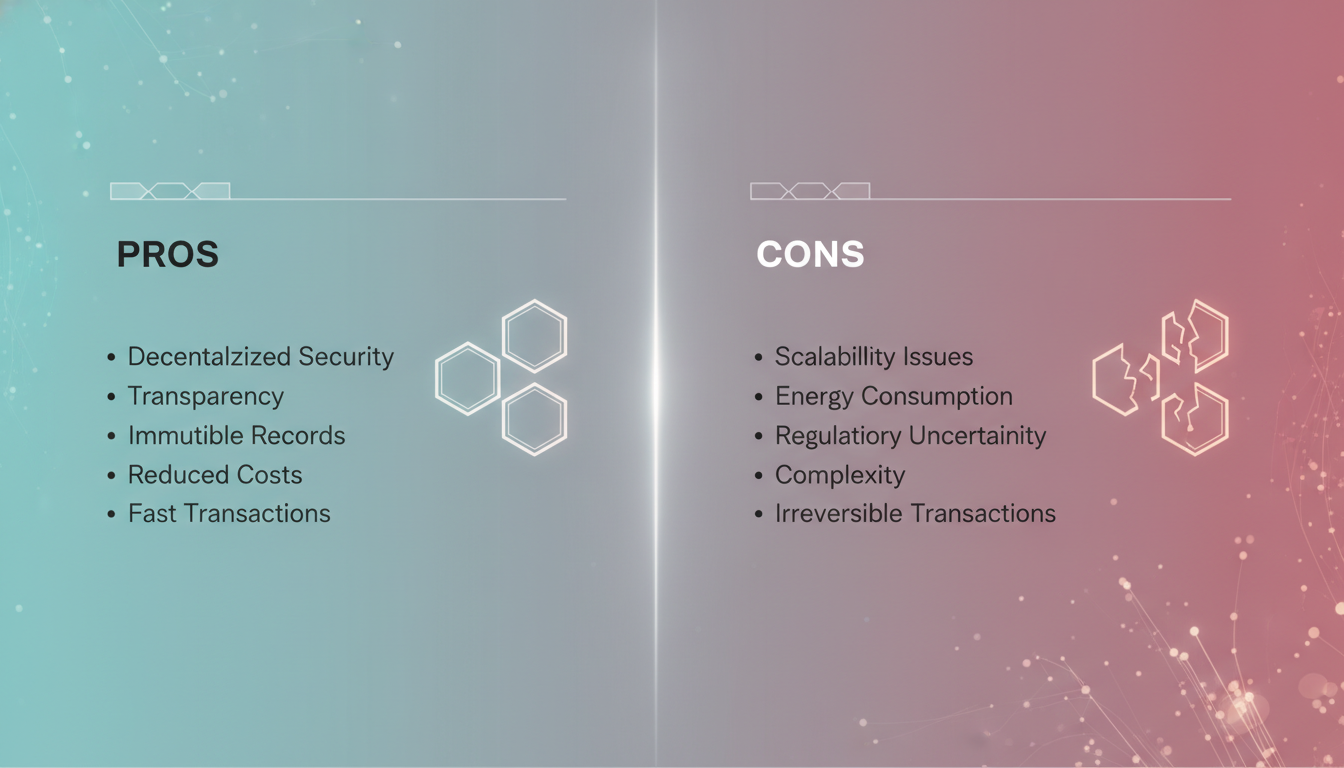
Pros
- Self-custody: You control private keys. No third party can freeze or seize your assets.
- Transparency: All transactions are publicly verifiable on-chain via tools like Etherscan or Solscan.
- Censorship resistance: The network stays live as long as nodes run. No single entity can shut it down.
- Broad asset support: Leading wallets support 5,700+ assets across Bitcoin, Ethereum, Solana, and Polygon.
- Yield opportunities: Staking and DeFi integrations let users earn variable APYs, with some platforms advertising up to 10% on select tokens.
Cons
- Irreversible transactions: Mistakes cannot be undone. Send to the wrong address and the funds are gone.
- User experience gaps: Some apps still have rough edges. User reviews on Google Play flag issues like black screens in the perps section and occasional withdrawal delays.
- Regulatory uncertainty: UK users should note active FCA registration requirements. Non-compliant platforms carry real legal risk.
- Smart contract risk: Unaudited contracts can be exploited. The application layer is only as secure as its code.
- Steep learning curve: Seed phrases, gas fees, and chain selection remain confusing for new users despite improving UX.
Types of Blockchain Apps
The term covers a wide spectrum of software. Understanding the categories helps you choose the right tool for your specific needs.
Crypto Wallets
Crypto wallets are the most common category. They store private keys and enable sending, receiving, and managing cryptocurrencies. Wallets range from fully self-custodied options like Blockchain.com’s DeFi Wallet to exchange-hosted solutions. According to Blockchain.com, its wallet supports Bitcoin, Ethereum, Solana, and thousands more assets, making it a versatile entry point for everyday investors.
DeFi Platforms
Decentralized finance protocols let you lend, borrow, trade, and earn interest without a bank. Protocols like Aave, Uniswap, and Compound are essentially smart-contract-based systems that automate financial services. According to DeFiLlama, total value locked across DeFi protocols has fluctuated between $40 billion and $100 billion over the past two years, reflecting both the scale and the volatility of this sector. Many mobile wallets now integrate DeFi portals so you can supply liquidity or swap tokens natively within a single interface.
NFT and Gaming DApps
Non-fungible token marketplaces and blockchain games are specialized applications that handle unique digital assets. The Blockchain.com DeFi Wallet includes NFT management, allowing you to view, send, and interact with collectibles across chains like Ethereum and Polygon without switching tools.
How to Choose the Right Blockchain App
Selecting the right tool depends on your goals, experience level, and security preferences. Use the comparison table below to evaluate leading mobile-first options.
| Feature | Blockchain.com Wallet | Crypto.com Onchain Wallet |
|---|---|---|
| Platform | Android, iOS | Android |
| Google Play Rating | 4.0 ★ (157K reviews) | 4.6 ★ (48.7K reviews) |
| App Store Rating | 4.7 ★ (184K ratings) | Not listed |
| Downloads | 10M+ | 5M+ |
| Assets Supported | 5,700+ | Thousands (multi-chain) |
| Self-Custody | Yes (DeFi Wallet) | Yes |
| Staking/Rewards | Up to 10% APY (variable) | Multiple chains via third-party validators |
| DeFi/DApp Access | Full in-app browser | Direct DApp connectivity |
| Security Track Record | No customer funds lost to breach (as of Jan 2026) | Non-custodial; you control keys |
Assessing Security When Picking a Wallet
A trustworthy application will offer two-factor authentication (2FA), biometric login, and transparent audit histories. The fact that a platform has never suffered a customer-fund security incident, as Blockchain.com emphasizes, is a strong signal of robust infrastructure. Always cross-reference this claim with independent security researchers and on-chain data before committing significant funds.
Matching the Tool to Your Use Case
If you simply want to buy and hold Bitcoin, a lightweight wallet suffices. If you plan to explore DeFi or trade frequently, look for an option with an integrated swap, staking, and DApp browser. For developers, MetaMask (Ethereum-focused) or Phantom (Solana-focused) may be more appropriate starting points, given their deep tooling integrations and developer-friendly RPC configurations.
A Note on APK Downloads
Some users seek APK files from third-party sources like Aptoide when regional Play Store restrictions apply. This carries real risk. APK files from unofficial sources can be modified to include malware. Always verify the developer signature and, where possible, download directly from the official Google Play Store or Apple App Store. The Blockchain.com APK available on Aptoide mirrors the Play Store version, but the verification burden falls entirely on you.
Step-by-Step: How to Build a Blockchain App
Building your own dApp is no longer reserved for core protocol engineers. With modern frameworks and AI assistants, a solo developer can ship a functional application in weeks. The following steps outline the process, drawing from Dapp University‘s 2025 tutorial approach.
Step 1: Define the Use Case and Smart Contract Logic
Start by pinpointing the problem your application will solve. Will it be a token-swap dApp, a DAO voting tool, or an NFT collection? Outline the smart contract functions in plain language before writing a single line of code. A simple voting dApp, for instance, needs functions to register proposals, cast votes, and tally results on-chain. Getting this architecture right before coding saves weeks of refactoring later.
Step 2: Choose the Right Chain and Tooling
For beginners, Ethereum’s ecosystem offers mature tooling: Hardhat, Truffle, and Remix are all battle-tested. Use AI coding assistants like GitHub Copilot or Cursor to generate boilerplate Solidity code, then integrate a wallet library such as web3.js or ethers.js to connect the frontend. Many teams also use The Graph for efficient on-chain data queries, which dramatically reduces frontend complexity. Polygon and Solana are strong alternatives if gas costs are a concern, with Solana’s average transaction fee sitting well below $0.01 as of 2026.
Step 3: Deploy and Integrate a Frontend
Deploy your smart contract to a testnet first. Sepolia works for Ethereum; Amoy is the standard for Polygon. Once verified, build a responsive web or mobile interface that calls your contract functions. Services like Moralis or thirdweb can accelerate mobile-ready development, letting you launch a cross-platform dApp in a single sprint. Aim for a frontend that abstracts wallet complexity so non-technical users can interact without understanding gas mechanics.
“The biggest mistake developers make is skipping the testnet phase. Deploy on Sepolia, stress-test every edge case, then audit before touching mainnet. One reentrancy bug can drain everything.” – Common guidance from the Ethereum developer community, echoed across EIP discussions and audit firm post-mortems.
Blockchain App Security: What You Need to Know
Security is the foundation of any serious dApp. While the underlying ledger is immutable, the application layer can still contain vulnerabilities if smart contracts are poorly audited or if the frontend is compromised through a supply chain attack.
Smart Contract Audits Are Non-Negotiable
Before deploying to mainnet, engage a reputable audit firm like Trail of Bits or Quantstamp. Auditors review code for reentrancy attacks, integer overflow errors, and logic flaws that could lead to fund loss. On-chain data consistently shows that unaudited contracts account for a disproportionate share of DeFi exploits. The cost of a professional audit, typically ranging from $15,000 to $50,000+ depending on contract complexity, is trivial compared to the potential loss.
User-Side Security Practices
Always download from official stores: Google Play or the Apple App Store. Check the developer identity. The Blockchain.com app is verified and carries over 157K reviews on Play. Enable every available security feature: biometric lock, 2FA, and a strong PIN. Never share your seed phrase under any circumstances, and stay alert to phishing sites that mimic legitimate interfaces. UK users should also verify that any platform they use holds FCA registration, as the regulator has issued specific warnings about unregistered crypto firms operating in the region.
“According to the Ethereum Foundation’s security documentation, the most common attack vectors against dApp users are not protocol-level exploits but frontend compromises and social engineering. The chain is secure. The human layer often isn’t.” – Ethereum Foundation security resources.
The Future of Blockchain Apps
The market for decentralized applications is accelerating. Blockchain.com’s platform has already handled over $1.2T in volume and continues onboarding millions of users. Emerging trends point toward tighter integration of AI, cross-chain interoperability, and institutional-grade features becoming standard rather than premium.
AI-Powered Development
AI tools are drastically lowering the barrier to building dApps. As demonstrated by Dapp University’s 2025 course, AI assistants can now write, debug, and optimize smart contracts, while automated testing frameworks catch edge cases early. This democratization means we’ll see an explosion of niche applications tailored to specific communities, from local DAO treasuries to tokenized real-world asset platforms.
Institutional Adoption and Regulation
Traditional finance is embracing the decentralized model. With the EU’s MiCA framework now in effect and the UK’s FCA registration requirements actively enforced, compliant platforms are becoming the norm rather than the exception. Blockchain.com already provides institutional-grade custody and trading, and invite-only services offer concierge support and exclusive yield opportunities. These are signs that the sector is maturing into a full-spectrum financial infrastructure layer.
The Rise of Multi-Chain and Unified Interfaces
Fragmentation remains a real user-experience hurdle. Future applications will abstract away chain differences, letting users interact with assets on Bitcoin, Ethereum, Solana, and Polygon from a single interface. The Crypto.com Onchain Wallet already moves in this direction with its in-app bridging tool. Cross-chain fluidity will become table stakes for any competitive product in this space within the next 2-3 years.
Build With Us
If you’re serious about shipping a production-grade dApp, the architecture decisions you make in week one determine your security posture in year two. At Digital Blockchains, we work with founders and protocol teams at the intersection of tokenomics design, smart contract architecture, and go-to-market strategy. Explore our approach at digitalblockchains.com/studio, or apply to the Genesis Cohort at digitalblockchains.com to build alongside a team that reads whitepapers for breakfast.
Frequently Asked Questions
What exactly is a blockchain app?
A blockchain app is a decentralized application that uses a distributed ledger for its backend logic, providing transparency, security, and censorship resistance through smart contracts. Unlike traditional software, no single company controls the data or the rules.
Do I need to be a developer to use a blockchain app?
No. Modern wallets like the Blockchain.com wallet are designed for everyday users, with simple interfaces to buy, sell, send, and earn crypto without any coding knowledge. The UX gap between crypto apps and traditional fintech has narrowed significantly as of 2026.
How do blockchain apps make money?
Most generate revenue through transaction fees, premium features, or yield products where they take a small spread on rewards paid to users. Some protocols also capture value through governance token issuance or protocol-owned liquidity strategies.
Are blockchain apps safe?
Security varies by application. Reputable platforms audit their smart contracts and offer self-custody options. Blockchain.com reports zero customer fund losses from security breaches as of January 2026, though users should always verify claims independently and practice strong personal security hygiene.
Can I build a blockchain app without coding experience?
No-code platforms and AI tools now allow non-developers to launch basic dApps, though complex protocols still require programming skills. Resources like Dapp University offer structured paths from zero to deployed contract, and AI assistants like GitHub Copilot can accelerate the learning curve considerably.
Which blockchain app is best for beginners?
The Blockchain.com wallet is widely recommended for its intuitive design, strong security record, and support for 5,700+ assets. It’s available on both Android and iOS, carries a 4.7-star rating on the Apple App Store across 184K ratings, and has logged 10M+ downloads on Google Play.